
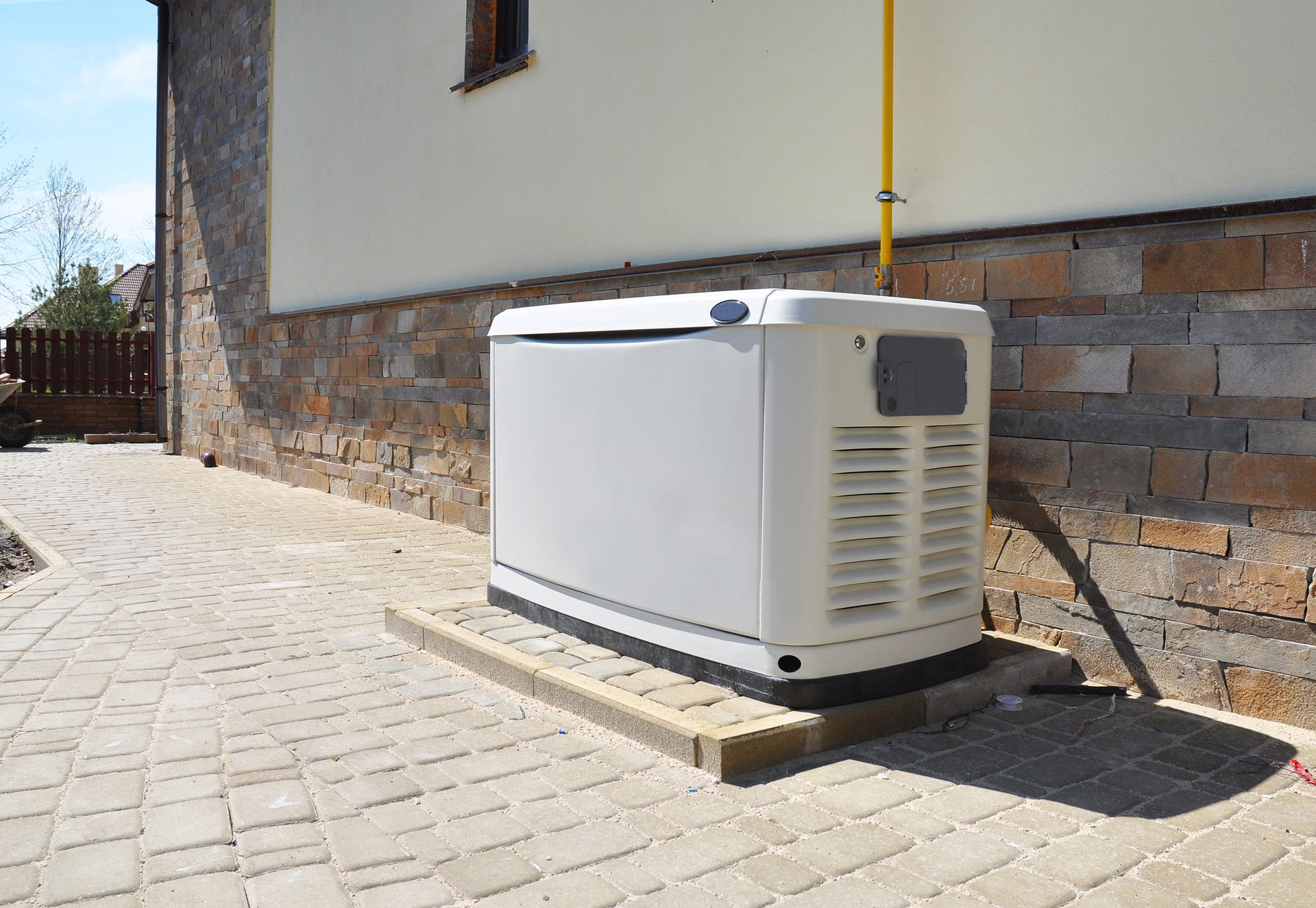
Define the essential loads List the equipment the business needs to support during an outage. Share available equipment ratings and the existing electrical layout. The requirements for selected loads differ from a plan to support an entire facility. Discuss connection and transfer equipment Ask an electrician to evaluate the appropriate equipment and connection arrangement. Include landlord requirements, property access, project approvals, and operating constraints in the planning discussion. Keep portable generators outside The CDC advises operating generators outdoors at least 20 feet from doors, windows, and vents. Never run a generator inside a building or garage. Follow the equipment manufacturer’s instructions and discuss the proposed location before operation. Prepare before an outage Collect the generator specifications, identify essential circuits, and discuss the installation and testing scope in advance. Confirm what the project includes and how work can be coordinated around business operations. Explore generator hookups and emergency power systems → Safety references: CDC — safe generator placement and FEMA — generator connection safety.
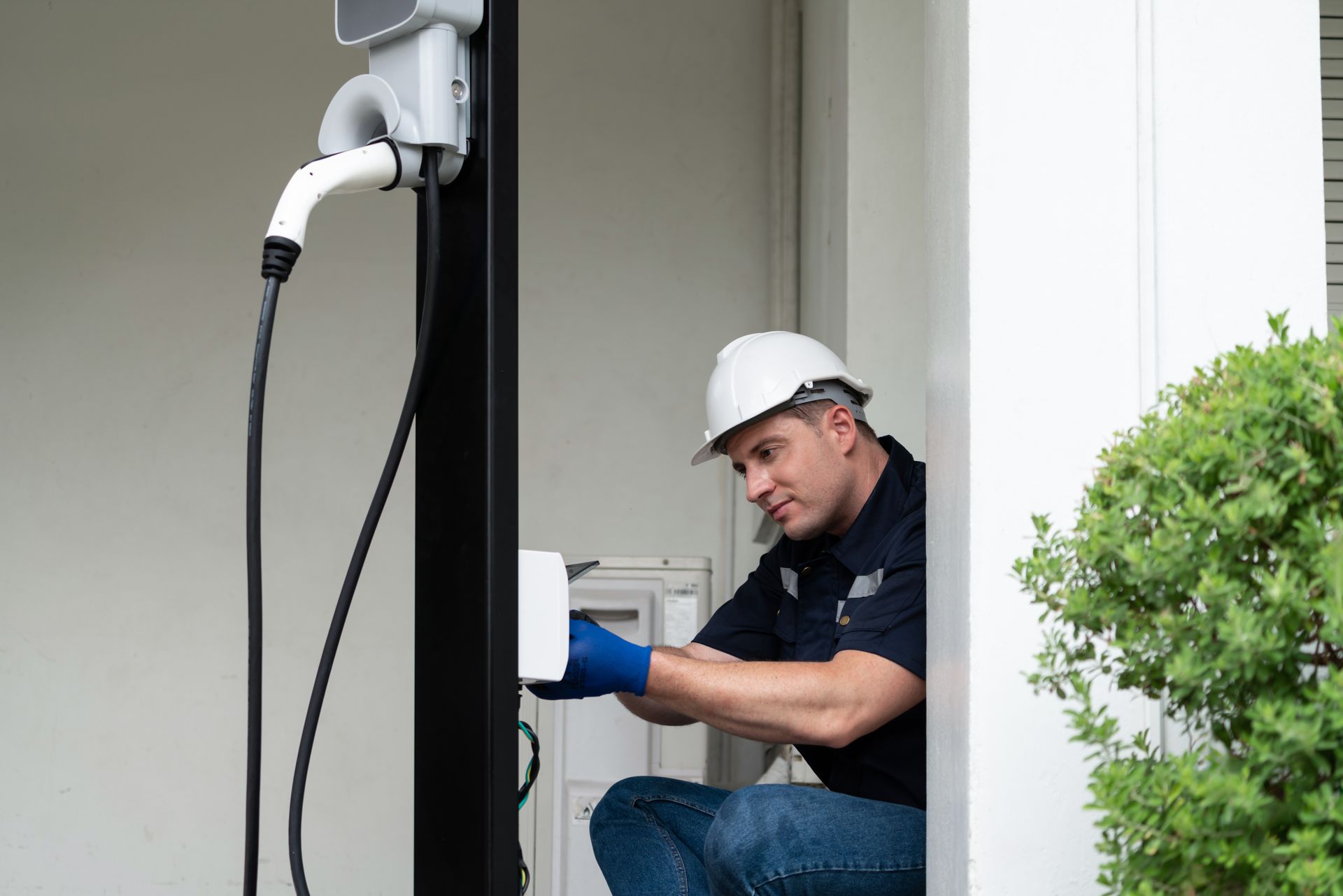
Start with the charger and location Share the charger manufacturer’s requirements and the intended mounting location. The distance from the electrical panel, indoor or outdoor placement, and the route for the circuit all affect planning. Do you always need a panel upgrade? No. A capacity assessment is needed before deciding. The existing loads, charger demand, and any other equipment you plan to add should be considered together. Discuss the options suitable for your particular installation. What about condominiums and shared parking? Confirm the property or association’s approval process, the electrical supply for the parking space, and any access rules. An assigned parking space alone does not establish permission to install charging equipment. What should you share when calling? Provide the property address, vehicle model, selected charger if you have one, and parking arrangement. Explain whether the installation is part of a broader renovation. That helps define what information or site evaluation is needed next. Explore EV charger installation → Planning reference: U.S. Department of Energy — charging electric vehicles at home.
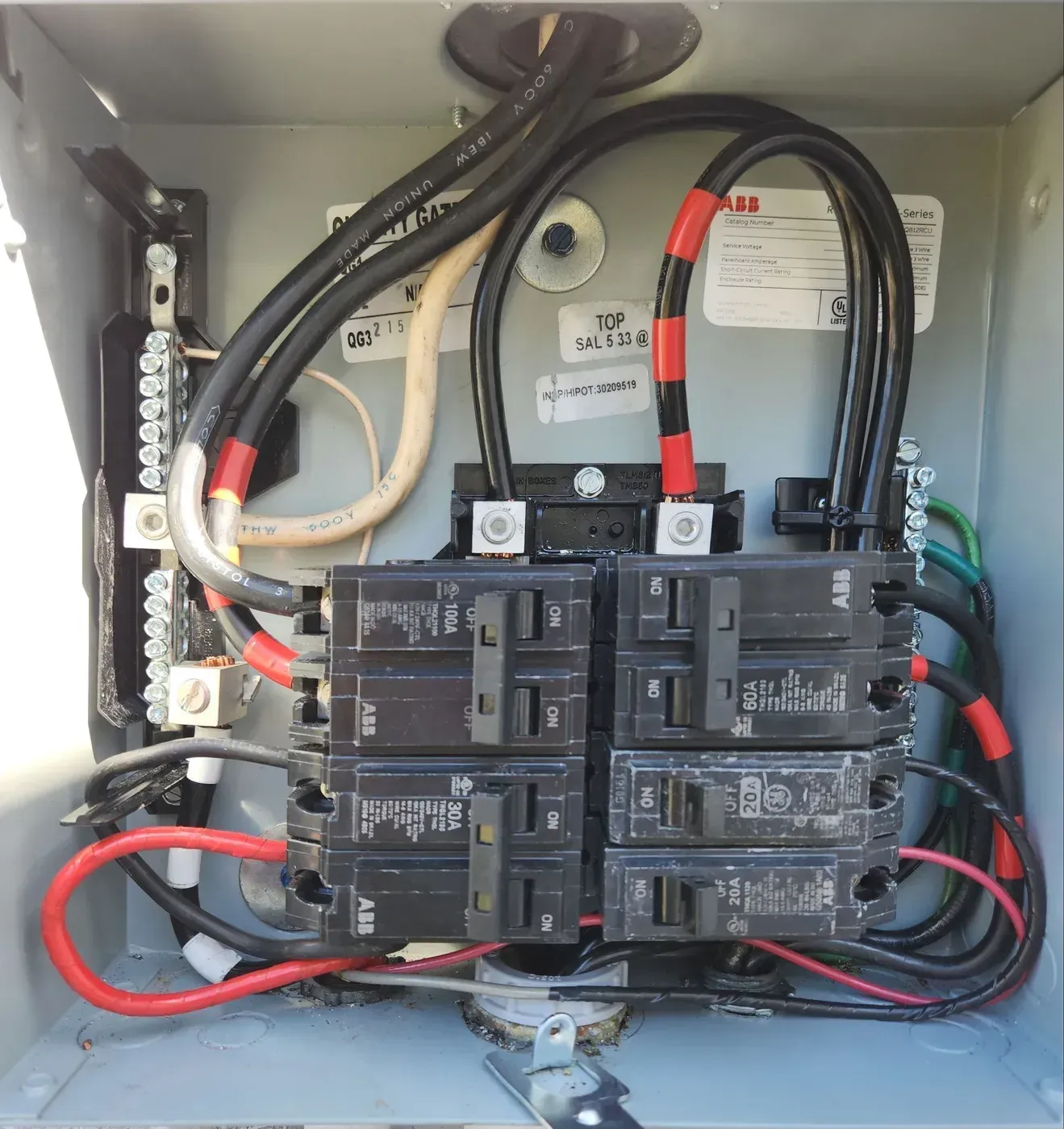
What information helps an electrician? Note which rooms are affected, when the problem occurs, and which appliances are operating. Mention any recent electrical work or new equipment. You do not need to open the panel or remove outlet covers to gather these details. Why a symptom does not identify the repair A similar symptom can have different causes. Troubleshooting helps distinguish an appliance problem from an issue involving a circuit, connection, or electrical equipment. Replacing a panel is not the automatic answer to every breaker trip. Take active hazards seriously If there is smoke, a fire, or an immediate danger, leave the area and call 911. Do not touch damaged electrical equipment or investigate energized wiring yourself. An electrical service appointment is not a substitute for emergency response. Plan the next step Call Frazier Electrical Solutions with the property address and a description of the problem. Discuss whether an assessment is needed and confirm scheduling availability. Explore electrical repairs and troubleshooting → Safety reference: Electrical Safety Foundation — overloaded circuit warning signs.

